Pasta
History
Born in China approximately 40 centuries ago, pasta traveled the world until it reached the West in the twelfth century. Originally produced from wheat flour and water, pasta underwent a change when it reached Southern Europe, where new processes for making pasta using durum wheat, rich in high-quality gluten, were invented. Pasta comes in many shapes and sizes that pair with specific types of sauces, and can be produced with the addition of gluten, egg, malt or flavours.
Healthy Diet
Arbella Pasta uses 100% durum semolina for pasta production. Pasta is recommended as a complete dietary dish, especially when followed by a fresh garden salad. Pasta is not only rich in carbohydrates, but 100 grams (4 ounces) of pasta can also provide approximately 15 of the 70 grams of protein needed daily for a healthy diet, plus vitamins and minerals. Good pasta is often cooked al dente, where the pasta is cooked just long enough to be firm but not hard, offering resistance to the bite.
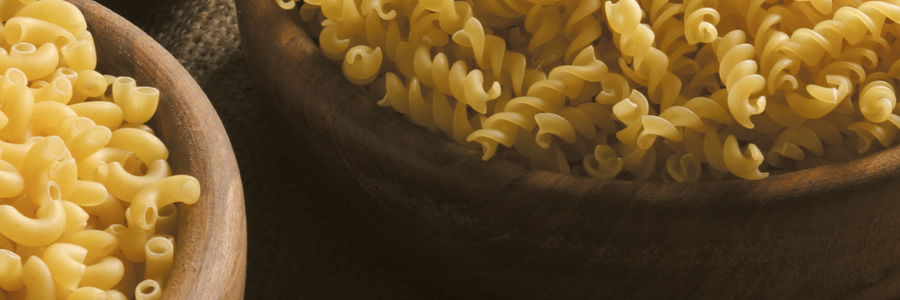
Arbella Pasta comes in dozens of shapes and sizes, including short cuts such as rotini and tripolini and long cuts such as spaghetti and linguine. One of the delights of pasta is experimenting with which kind of pasta matches best with your favorite sauces.
Available cuts:
| Spaghetti | Linguine | Tripolini |
| Spaghettini | Fettucine | Rigatoni |
| Sedani Rigati | Elbows | Farfalle |
| Sedanini Rigati | Vermicelli | Noodles |
| Rotini | Semolina Flour | Lumache |
| Penne Rigate | Couscous | Small Beads |
| Thimbles | Barley | Wheels |
| Charleston | Stars | Shell |
For more information on AGT Foods' Arbella brand of pasta, please visit www.arbella.tv.